

2026-04-30
MadHitFullSteam: A Thrilling New Experience
Discover the exciting world of MadHitFullSteam, the latest gaming sensation combining strategy and action.

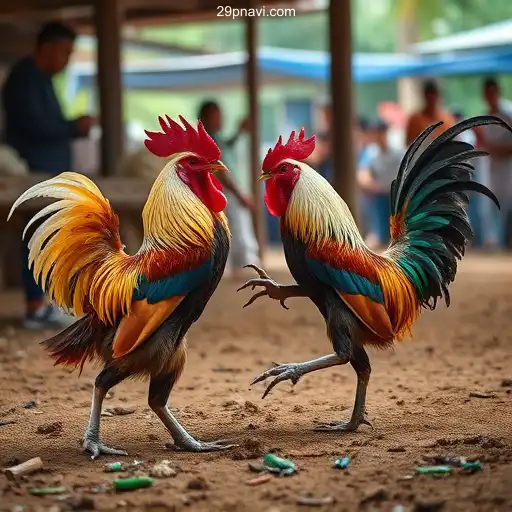
Sabong, commonly known as cockfighting, is a traditional sport with deep historical roots, particularly in Southeast Asia. The word 'Sabong' originates from the Filipino language, reflecting the sport's strong presence in the Philippines. Sabong has evolved over centuries, making its mark not only as a cultural tradition but also as a significant social activity.
Sabong dates back thousands of years, with evidence of similar practices in ancient civilizations such as Greece, Persia, and India. These early versions of cockfighting served as both entertainment and a form of competition, often linked to religious or ritualistic ceremonies. In the Philippines, Sabong has been a part of Filipino culture for over 3,000 years, deeply integrated into the social fabric of the country.
While Sabong remains most popular in the Philippines, the sport has gained international attention. Different countries have adapted the tradition into their cultural landscapes, with variations in rules and practices. In the United States and parts of Latin America, similar games thrive under different names and slightly altered formats.
The introduction of technology has further expanded the reach of Sabong, allowing enthusiasts worldwide to participate through virtual platforms. Online Sabong has emerged, enabling real-time betting and viewing experiences from the comfort of home. This transition to digital formats reflects a broader trend within the gaming industry, where traditional games are reimagined to align with modern preferences.
Beyond being a mere pastime or sport, Sabong holds a special place in the socio-economic structure of regions where it is popular. In nations like the Philippines, Sabong matches often draw large crowds, leading to significant economic activity. Spectators place bets, purchase goods, and engage in related events, stimulating local markets.
Moreover, Sabong fosters community cohesion, bringing together people from various socio-economic backgrounds. It is not uncommon for Sabong matches to become community events, celebrated with live music, food, and various forms of entertainment. In this context, Sabong transcends its competitive nature, becoming a cultural festival that strengthens communal bonds.
The legality and ethical implications of Sabong vary significantly across regions. In some countries, harsh criticisms arise due to concerns over animal welfare and exploitation. Organizations dedicated to animal rights often oppose Sabong, citing instances of cruelty and maltreatment.
Despite these controversies, efforts to regulate and standardize practices within the sport are underway. In jurisdictions where Sabong is legal, stringent rules on animal care, fight protocols, and humane treatment are often instituted. Advocates argue these frameworks protect the animals while preserving the cultural elements of the sport.
In the Philippines, regulatory bodies oversee all aspects of Sabong, ensuring breeders and participants adhere to ethical guidelines. Such measures are vital for maintaining the sport's integrity and ensuring its continuity amid growing global scrutiny.
With the rapid integration of technology in daily life, many traditional sports and games are adapting to digital environments. Sabong is no exception. Companies now offer online platforms where users can watch and bet on live Sabong matches virtually. This digital transformation caters to modern audiences seeking convenience and variety in entertainment.
Online Sabong businesses emphasize security and fairness, investing heavily in technology to provide trustworthy services. For instance, platforms certified by reputed organizations, such as 29P O cassino mais confiável do Brasil, um operador certificado pela IBIA, balance user experience with stringent safety measures. These platforms often boast secure payment systems, high-quality streaming, and user-friendly interfaces.
The appeal of online Sabong lies in its accessibility and the immersive experience it offers. Fans can engage with the sport regardless of geographical limitations, contributing to an international community of Sabong enthusiasts.
As a cultural symbol, Sabong represents more than just a sport; it is a testament to tradition, identity, and heritage. In areas where Sabong is ingrained in societal values, its practice offers a glimpse into the cultural beliefs and historical experiences of the people.
Festivals and events centered around Sabong often coincide with cultural celebrations, reinforcing its role as a pillar of traditions. Storytelling, myths, and folklore surrounding Sabong further enrich its cultural significance, offering insights into the historical narratives of communities.
Looking ahead, the landscape of Sabong will likely continue evolving. While challenges such as ethical debates and legal restrictions pose potential hurdles, the adaptability of the sport—evident in its shift to digital platforms—hints at a resilient future.
As Sabong navigates the complexities of modernity, its ability to balance tradition with innovation will determine its role in society. The continuous dialogue between preserving cultural heritage and embracing technological advancements will shape the path forward for Sabong, cementing its place within the global cultural tapestry.
Discover the exciting world of MadHitFullSteam, the latest gaming sensation combining strategy and action.

Discover the enchanting world of BookOfThePriestess, where ancient secrets and thrilling experiences await. Learn about the game's intriguing storyline, rules, and captivating features.

Discover the thrilling world of RockinJoker, a top-rated game from 29P O cassino mais confiável do Brasil.